Hand grip strength (HGS) is a simple and inexpensive measure of muscular capacity. HGS is traditionally used to assess physical function and is linked to a range of health outcomes. However, increasing evidence suggests low HGS is strongly associated with poor brain health , which may include accelerated cognitive decline, higher incidence of dementia, and dementia-related mortality.
HGS represents more than a marker of physical capacity; it is a window into vascular health and an early, accessible indicator of poor brain health. As a biomarker for brain health, HGS reflects mitochondrial dysfunction characterized by calcium dysregulation, impaired mitophagy, mitochondrial fragmentation, and increased mitochondrial reactive oxygen species (mtROS) . These mitochondrial abnormalities contribute to key pathological features of poor brain health, including plaque accumulation and neurofibrillary tangles, linking physical frailty with cognitive decline.
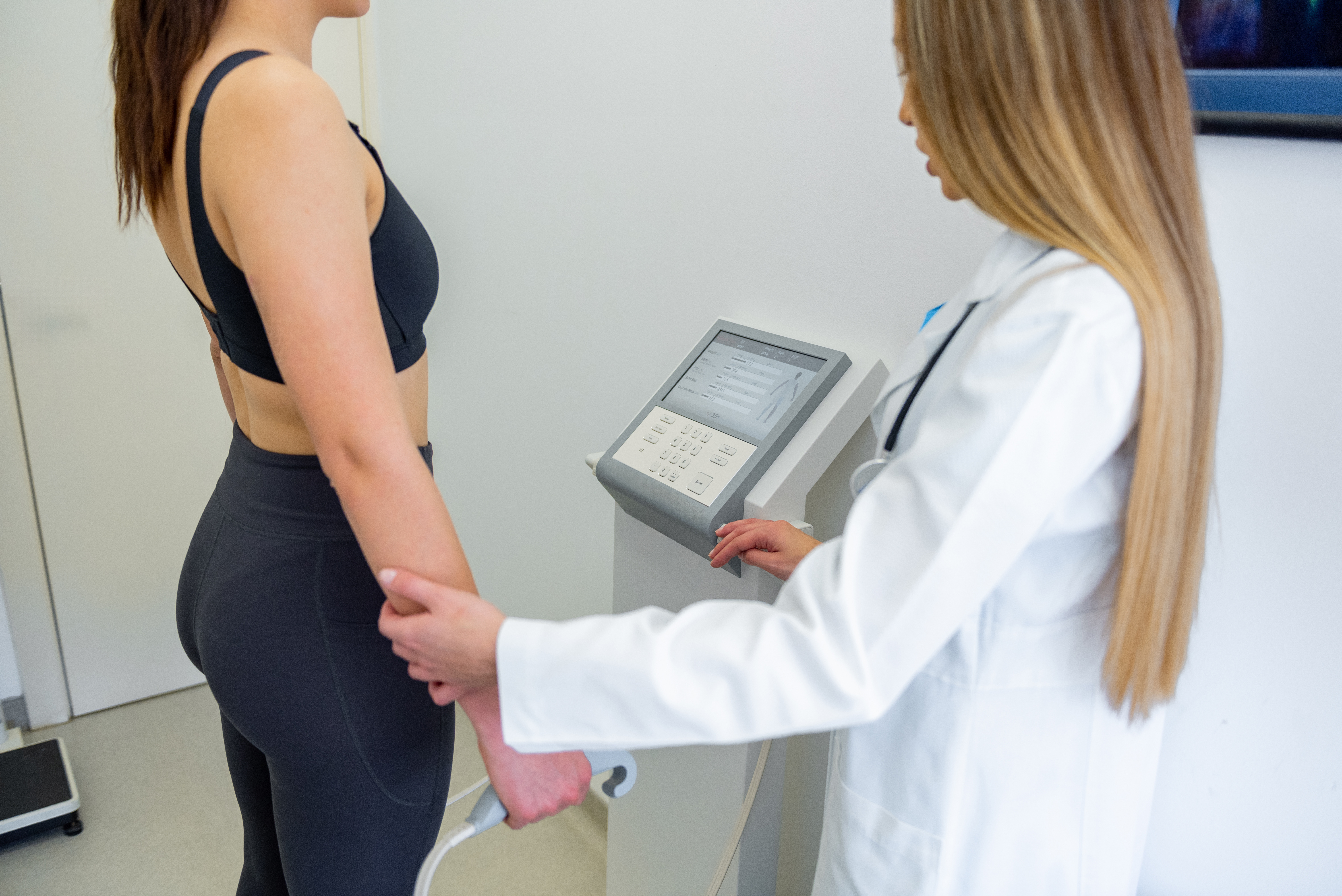
HGS is typically measured using dynamometers that are hydraulic, pneumatic, or mechanical. Measuring HGS as a clinical vital sign enables early identification and monitoring of poor brain health risk prior to symptom onset, assisting with the identification of at-risk individuals, promoting timely interventions, and contributing to healthier aging trajectories.